
Success in academics is not about spending endless hours with books open on your desk. It is about understanding how your brain works and using proven strategies to improve focus, retention, and performance. Many students believe that longer study sessions automatically mean better results. However, research in cognitive science shows that quality always beats quantity. When you study smarter, you save time, reduce stress, and achieve stronger outcomes. Below are science backed habits that help students maximize their learning without burning out.
Understand How Memory Works
Before improving your study routine, it is important to understand how memory functions. Your brain does not store information effectively when you passively reread notes. Instead, it strengthens connections when you actively retrieve information.
Active recall is one of the most powerful techniques for learning. Instead of highlighting pages repeatedly, close your book and try to explain the topic in your own words. Write down what you remember, then check your notes to see what you missed. This method strengthens neural pathways and improves long term retention.
Spaced repetition is another proven strategy. Rather than cramming the night before an exam, review material at increasing intervals over days or weeks. This approach aligns with how the brain naturally consolidates information.
Focus on Deep Work Sessions
Long study hours often lead to mental fatigue and reduced concentration. Instead of studying for five continuous hours, divide your time into focused sessions of 25 to 50 minutes. During these sessions, eliminate distractions such as notifications and social media.
Many successful professionals follow similar productivity principles. Even entrepreneurs who follow small business news australia to stay updated on market trends prioritize focused work blocks over constant multitasking. The same rule applies to academic success. Concentrated effort produces better results than scattered attention.
After each focused session, take a short break. Movement, stretching, or a quick walk can refresh your brain and restore attention.
Set Clear and Measurable Goals
Studying without a plan often leads to wasted time. Instead of saying, “I will study biology today,” define specific objectives such as “I will complete two chapters and solve ten practice questions.”
Clear goals activate your brain’s reward system. When you complete small milestones, you feel a sense of progress that keeps you motivated. Over time, consistent goal setting can influence broader achievements, including career growth and even personal net worth, as disciplined habits formed during academic years often shape financial and professional outcomes later in life.
Break large assignments into smaller tasks. This reduces overwhelm and makes studying manageable.
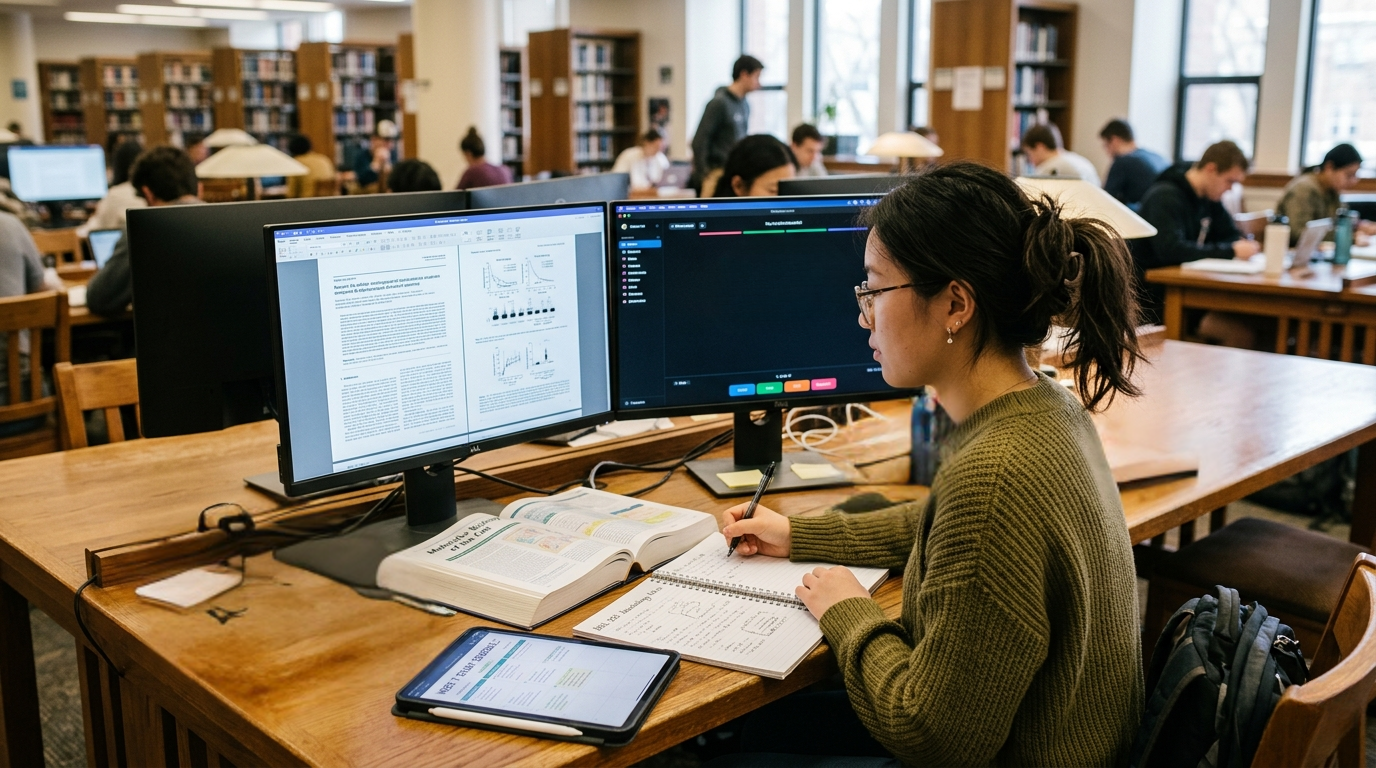
Optimize Your Study Environment
Your surroundings significantly influence productivity. A clean, organized study area reduces mental clutter and improves concentration. Choose a quiet space with good lighting and minimal distractions.
Keep your phone away unless you are using it for academic purposes. Social media interruptions can break focus and reduce efficiency. Many students spend time crafting a stylish bio for instagram for boy or scrolling through feeds during study sessions without realizing how much time is lost. Protecting your attention is one of the most powerful academic advantages. Consider using noise canceling headphones or instrumental music if background noise distracts you.
Use Technology Wisely
Technology can either enhance or harm your study habits. The key is intentional use. Educational apps, digital flashcards, and online lectures can reinforce learning when used strategically.
For example, students in computer science often explore tools such as ghidra install processes to understand software analysis and reverse engineering concepts. When technology is used to deepen knowledge rather than distract, it becomes a valuable asset.
However, avoid multitasking between study materials and entertainment apps. Keep your digital environment aligned with your academic goals.
Prioritize Sleep and Physical Health
Many students sacrifice sleep to study longer. Unfortunately, sleep deprivation weakens memory consolidation and reduces focus. Research consistently shows that quality sleep enhances cognitive performance.
Aim for seven to eight hours of sleep each night. During sleep, your brain processes and organizes the information learned during the day. Without sufficient rest, even long study sessions become less effective.
Physical activity also improves brain function. Exercise increases blood flow to the brain, enhancing concentration and mood. A balanced diet and hydration further support mental clarity.
Reflect and Adjust Regularly
Academic success is not about following a rigid routine forever. It requires continuous reflection. At the end of each week, evaluate what worked and what did not. Did certain study techniques improve recall? Were you distracted during specific hours?
Adjust your schedule accordingly. Some students find early morning sessions more productive, while others perform better in the evening.
Be mindful of how you spend your leisure time as well. Entertainment tools like capcut mod can be fun for creative projects, but ensure they do not consume hours meant for focused study. Balance is essential for sustainable success.
Build Consistency Over Intensity
The biggest mistake students make is relying on last minute effort. Studying smarter means building consistent daily habits. Even one to two hours of focused study each day can outperform an exhausting eight hour cram session.
Small improvements compound over time. When you apply active recall, spaced repetition, focused sessions, proper rest, and clear goal setting consistently, your academic performance naturally improves.
In the long run, smart study habits reduce stress, increase confidence, and free up time for other meaningful activities. Instead of measuring success by how long you study, measure it by how effectively you learn. Academic excellence is not about working harder. It is about working wiser.