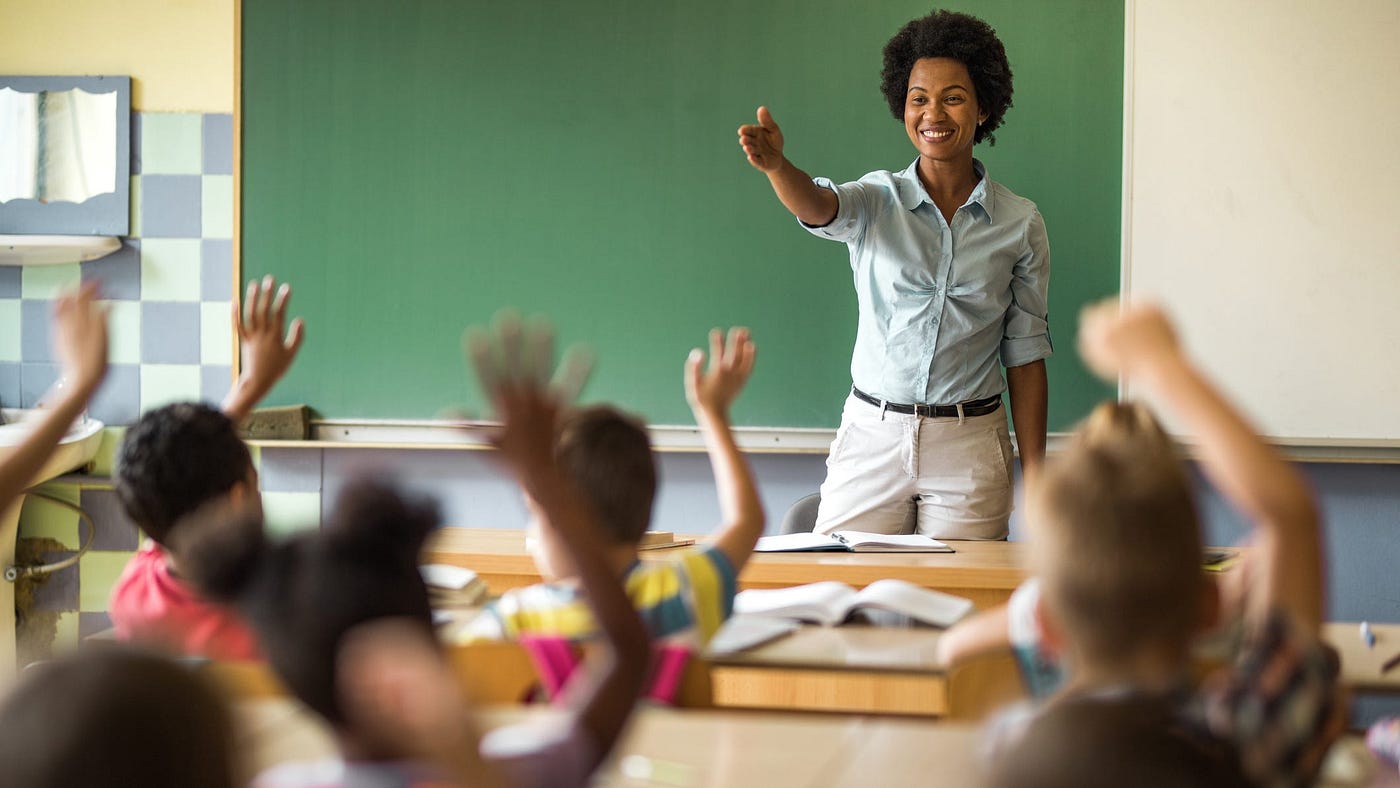
Education is changing rapidly as technology, creativity, and student expectations continue to evolve. Traditional teaching methods that relied heavily on memorization and passive listening are gradually being replaced by more engaging and interactive learning experiences. Schools, universities, and online learning platforms are now focusing on participation, collaboration, and practical understanding to improve educational outcomes.
Interactive learning is helping students become more involved in the classroom while encouraging curiosity, communication, and problem solving. These modern trends are reshaping how knowledge is delivered and how students connect with educational content.
Technology Is Transforming Classroom Participation
One of the biggest drivers of interactive learning is technology. Digital tools such as smart boards, educational apps, and virtual classrooms are helping teachers present lessons in more engaging ways. Students can now participate in quizzes, group discussions, and live activities directly through tablets and laptops.
Online learning platforms are also making education more flexible. Many institutions now combine traditional lessons with digital resources to create blended learning environments. This approach allows students to study at their own pace while still interacting with teachers and classmates.
The rapid growth of educational technology has even become a topic connected to broader discussions around online business Australia, where digital innovation continues to influence multiple industries, including education.
Collaborative Learning Encourages Better Communication
Modern education increasingly focuses on teamwork and collaboration. Group projects, peer discussions, and shared problem solving activities allow students to learn from each other while improving communication skills.
Collaborative learning also prepares students for future workplaces where teamwork is often essential. Instead of studying in isolation, students are encouraged to exchange ideas and contribute to collective goals.
This educational shift reflects changes happening across modern society, including discussions around sydney urban lifestyle, where community interaction and collaborative spaces are becoming more common in both education and professional environments.
Virtual and Augmented Reality Are Expanding Learning Experiences
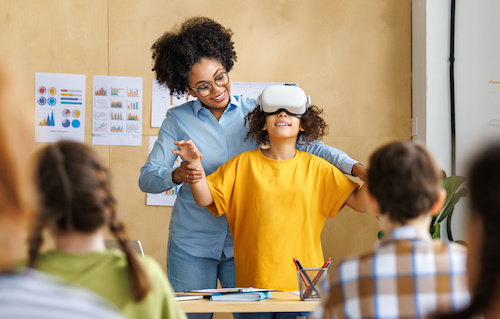
Virtual reality and augmented reality are introducing entirely new ways to experience education. Students can now explore historical locations, scientific simulations, and interactive 3D models without leaving the classroom.
For example, medical students can practice procedures through virtual simulations, while history students can experience digital recreations of ancient civilizations. These immersive experiences help students understand topics more deeply compared to reading from textbooks alone.
Interactive visual learning also benefits students with different learning styles. Some learners absorb information better through hands on experiences rather than written explanations.
As educational institutions continue experimenting with advanced technologies, many experts believe immersive learning tools will become even more common in the future.
Personalized Learning Is Becoming More Common
Another major trend is personalized education. Teachers and digital platforms now use student performance data to adapt lessons according to individual learning needs. Personalized learning helps students focus on areas where they need improvement while progressing comfortably through subjects they already understand.
Interactive learning systems can adjust difficulty levels, recommend additional resources, and provide instant feedback. This makes education more efficient and less frustrating for students with different academic strengths.
Discussions about innovation in personalized education are sometimes featured alongside broader viral stories Australia 2026, especially when schools introduce creative teaching methods that significantly improve student engagement and academic performance.
Social Learning Through Online Communities
Students today are learning not only from teachers but also from online communities and social platforms. Educational forums, live streams, and virtual study groups allow learners from different locations to exchange knowledge and experiences.
This type of social learning encourages active participation and helps students build confidence while discussing ideas openly. Many students feel more comfortable asking questions in online discussion environments than in traditional classrooms.
Digital communities are also expanding access to education for students who may not have strong local educational resources. Through the internet, learners can connect with experts, tutors, and educational creators from around the world.
The growth of digital learning culture is increasingly discussed in modern lifestyle conversations connected to melbourne entertainment, where technology driven experiences continue shaping how people consume both information and media.
Interactive Learning Supports Lifelong Education
Interactive education is not limited to schools and universities. Adults are also embracing interactive learning through professional development courses, workshops, and online certifications. Modern learners prefer engaging educational experiences that allow immediate application of knowledge.
Interactive teaching methods often make learning feel less intimidating, encouraging people to continue developing skills throughout their lives. This is especially important in industries where technology and workplace demands change rapidly.
Many educational platforms now provide flexible and accessible resources for learners of all ages. These changes are helping education become more inclusive and adaptable for modern lifestyles.
The increasing accessibility of educational resources is often highlighted in discussions connected to the australia living guide, where learning opportunities play an important role in personal and professional development.
Conclusion
Interactive learning is transforming education by making lessons more engaging, practical, and student focused. Technology, gamification, collaboration, virtual reality, and personalized learning are helping students connect more deeply with educational content while improving communication and critical thinking skills. As educational systems continue evolving, interactive learning methods are likely to become even more important. Schools and institutions that embrace these trends will be better prepared to support modern learners in an increasingly digital and connected world.